
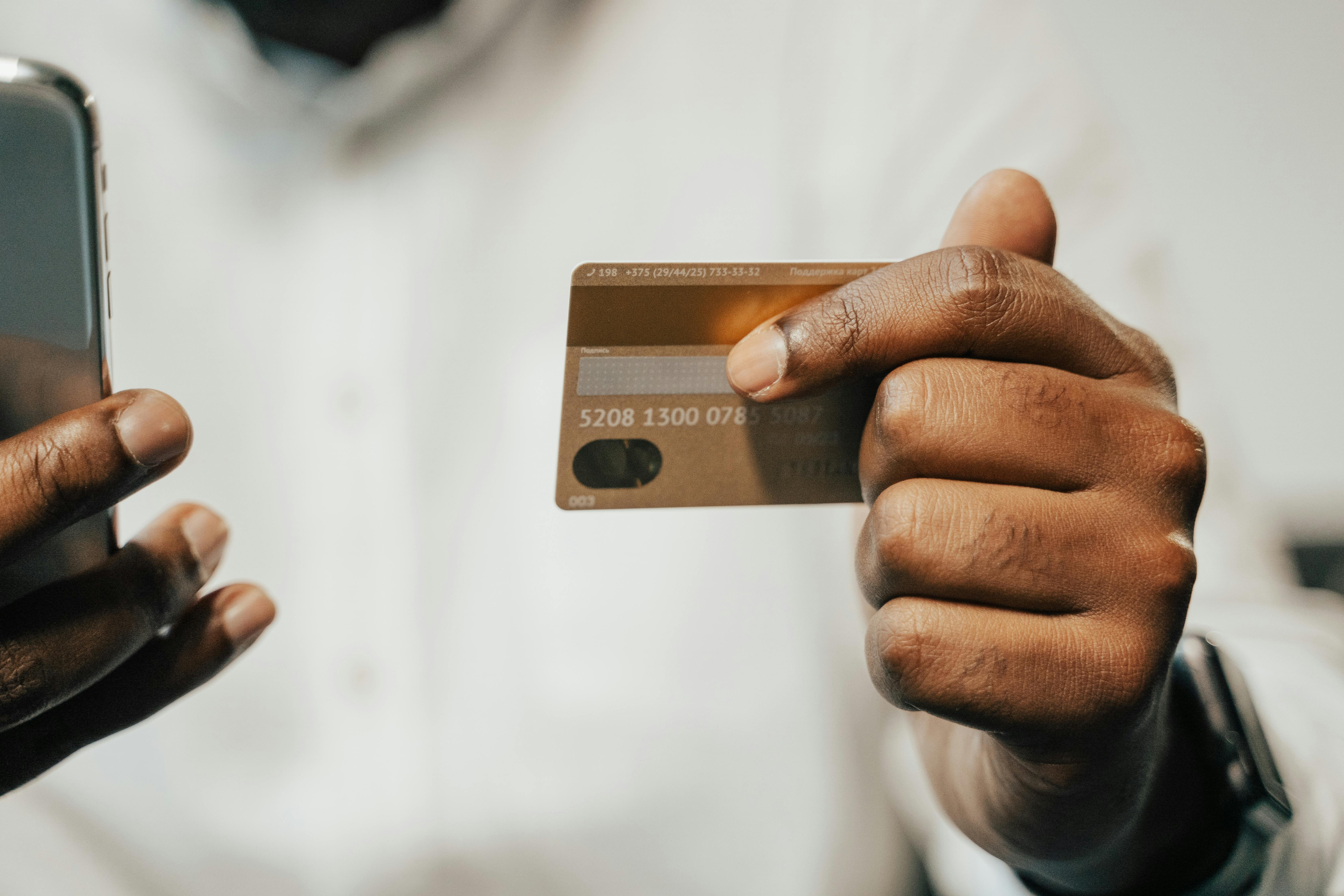
CSA Ghana: 3 Essential Steps to Protect Your Online Payment Information
Online financial crimes are rising in Ghana. The Cyber Security Authority shares three critical actions every Ghanaian should take to protect their money when transacting online.
Background
Online financial crimes continue to grow across Ghana. As more Ghanaians conduct transactions through mobile money, e-commerce platforms, and digital banking, cybercriminals have refined their tactics to exploit the gaps in everyday financial security habits.
The Cyber Security Authority (CSA) has identified three critical vulnerabilities that many Ghanaians overlook: failing to monitor card activity in real-time, storing payment credentials on third-party retail platforms, and making transactions over unsecured public networks.
With at least 720 cases of online fraud recorded in the first quarter of 2026 alone — a 113% increase on the previous year — the CSA is urging the public to act now before becoming a victim.
Key Advisories
Enable purchase alerts for your credit cards and mobile money accounts. Real-time notifications allow you to immediately detect and report any transaction you did not authorise. When an unrecognised charge appears, early detection is often the difference between recovering funds and permanent financial loss. Most banks and mobile money providers in Ghana offer SMS or in-app alerts at no extra cost — if you have not activated them, do so immediately.
Avoid saving your payment details on retail websites. Storing card or bank account details on e-commerce platforms is convenient, but it creates a single point of failure. If that platform suffers a data breach — a common occurrence both globally and locally — your payment credentials are directly exposed to attackers who can use them for fraudulent purchases or sell them on dark web markets. Always enter payment details fresh for each transaction, or use a virtual card service if your bank offers one.
Avoid making purchases on public Wi-Fi. Public wireless networks in cafes, airports, shopping malls, and hotels are frequently unencrypted and can be monitored by nearby attackers using readily available tools. A technique known as a man-in-the-middle attack allows criminals to silently intercept payment data as it travels over these networks — capturing card numbers, PINs, and login credentials without your knowledge. Always complete financial transactions on your home Wi-Fi or your personal mobile data connection.
Recommendations
Review your mobile banking and credit card settings today and activate purchase alerts on every account. Remove saved payment details from any e-commerce or subscription platform where you have previously stored them. When shopping online, ensure you are connected to a trusted, private network. If your bank offers virtual card numbers for online purchases, consider using them — they can be frozen or deleted after use without affecting your primary account. Report any suspicious financial activity to your bank immediately and to the CSA via their official channels at www.csa.gov.gh.
In this report
- 1.0 Background
- 2.0 Key Advisories
- 3.0 Recommendations
Quick Actions
Original Source
CSA Ghana · LinkedInBrowse all Intel Reports
All Reports